
by Michelle Eastwood
The winter solstice is nigh upon us and I am excited. According to the calendar, we are almost three weeks into the three long months of winter. They are long for me because I am not a fan of the cold. I am not a fan of the long nights and short days. I am not a fan of brief glimpses of sun for which we might be grateful. However, the solstice……. the solstice alerts us that the earth is turning. The longest night has come and gone and the march toward lighter mornings begins.
I get excited for the winter solstice which comes early in the season and signals better days ahead. In summer, I get sad for the solstice because it says that with each passing day there will be slightly less daytime, and the inevitable march back to dark and cold has began. This is exacerbated by mornings that have began to be filled with light being torn away by the introduction of day light saving. A wholly unnecessary intervention that disrupts rhythms and reminds us that just because we can doesn’t mean we should.
I do not appreciate extra summer sun in the evening. I am an early to bed, early to rise girl and so DLS robs me of the glorious morning light that beckons me from my bed, and places it in the evening when I am done and would like to relax with the setting sun releasing the daytime heat from its sometimes-oppressive reign.
If I look at the Gregorian calendar, we still have two- and a-bit months of winter to go. If I look at the Wadawurrung Calendar, this is the season of deep winter, a time that people retreated to rock shelters and used possum-skin coats for warmth. I like the idea of retreating under warm blankets. I like the idea of a season of hibernation when we are not expected to be ‘productive.’ The Wadawurrung calendar has six seasons, and so, much sooner than the Gregorian calendar the season will shift, moving to the time of harvesting the yam daisy.
I am much more ambivalent about the two equinoxes. I note them passing by, but they do not excite me or depress me. They just are. Balance is not in my nature, so perhaps this reflects something of who I am.
I wonder what it is about marking the high and low point, noticing the moment when the tide turns? I have been looking for ways to mark these points for some time. While I appreciate Indigenous ways of knowing and marking time, these are not mine to appropriate. So, I looked to Celtic traditions that have been incorporated into Goddess frameworks, but these are also not my heritage. My ancestors came to these lands from Prussia and nearby Slavic states. If they had special celebrations to mark the turning of the seasons, they have not been passed down to me over the many years since my family migrated here. As Christian migrants, celebrations connected to nature might have been seen as pagan and were therefore probably let go decades before I was even conceived, many years even before they left the Mother Country.
In the Uniting Church of Australia, many congregations celebrate a season of creation. This is slotted into the ‘ordinary’ liturgical time that runs through the month of September, breaking up the long stretch between Pentecost and Advent. This encompasses the spring equinox, for those of us in the Southern Hemisphere, although I do not know anyone who includes a celebration of the equinox within this tradition.
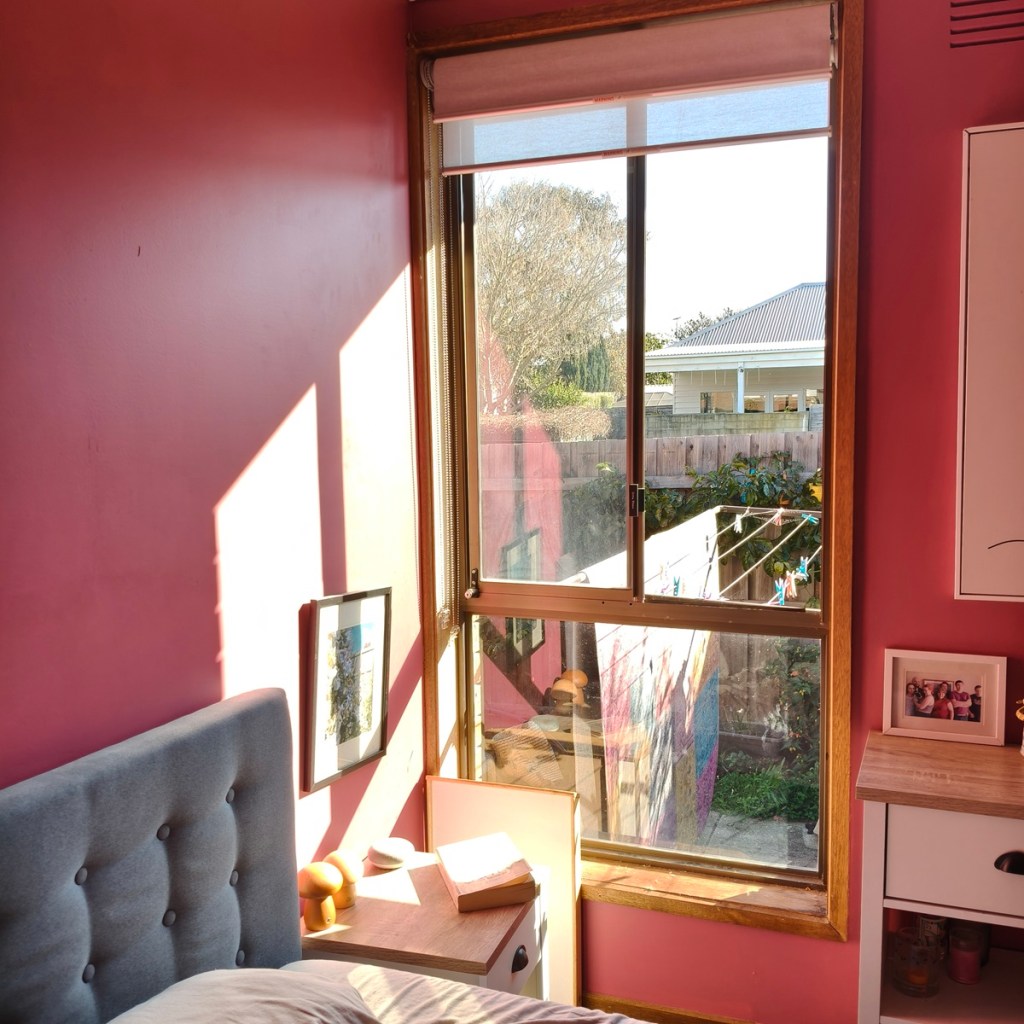
So, as the time of the solstice approaches – the time when the sun (sol) stands still (sistere), I will be looking to the night sky, and ready to welcome each extra bit of sunshine that passes through my window each morning.
If you would like to learn more about the seasons on Wadawurrung Country, see: https://www.barwonbluff.com.au/wadawurrung-seasons/


Leave a Reply